How we figure out which study methods work for you
A good score during a study session tells you little about what will be left next week. So every study plan on The Learning Library starts with a short check-in, and a student's methods change only when their check-ins clearly say so.
Practice scores mislead
In a classic experiment, students who reread a passage beat students who tested themselves on a test five minutes later: 81% to 75%. Two days later the order flipped, 68% to 54%, and after a week it was 56% to 42% (Roediger & Karpicke, 2006). Judge methods on how a session went and you recommend the wrong one.
A check-in in every plan
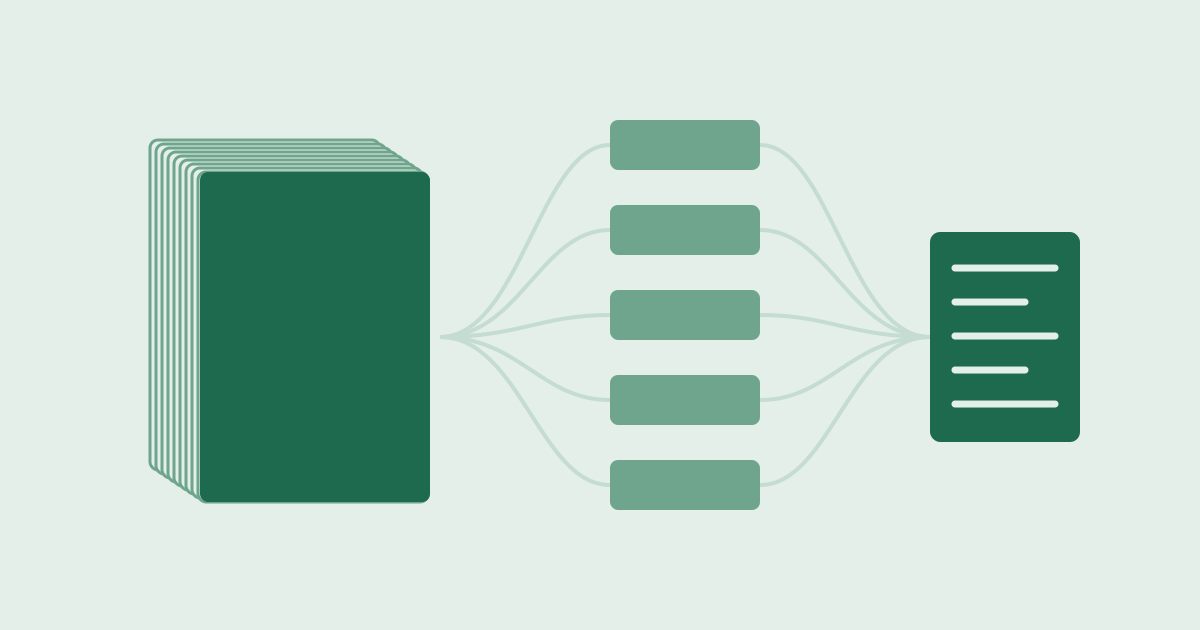
Each day's plan opens with up to five questions on ideas you studied at least 20 hours ago, ideally two to seven days ago. There are no hints, and the questions are the same kind whatever tool you used, so flashcards and explanations are judged on equal terms. Each answer counts toward the method you last used on that idea.
Not trying, not enough practice, or the wrong method?
A low score can mean four different things. We check them in this order, and only the last one counts against a method.
- Not trying. Answers faster than 3 seconds for a choice, 5 for a short answer or 10 for a written one, or left blank, are set aside and never counted as wrong (Wise & DeMars, 2006). If more than 1 in 5 answers for a method look like this, we don't judge it.
- Not enough practice. If most ideas had only one study session before the check-in, a low score says more about practice than about the method. We give it another session first.
- Too hard right now. If practice answers were mostly wrong too (under 50%), the material is the problem, not the method. We suggest worked examples first.
- Method not working. Only with good effort and enough practice: under 60% remembered at check-ins. At 80% or more, a method is working for you. That matches the usual mastery bar of "80% to 90%" (EEF).
Fair tests, and how much evidence
If we always gave the hardest ideas to one method, it would look worse than it is. So at first we rotate methods at random, and even later one suggestion in five keeps rotating. Because the plan records exactly how likely each suggestion was, check-ins can be weighted to keep the comparison fair. Researchers recommend exactly this fix for adaptive tests like ours (Rafferty et al., 2019).
We give no verdict on a method before 5 check-ins on 3 different ideas over 3 different days. That's the bar education researchers use for single-student studies (What Works Clearinghouse).
When we switch your main method
Everyone starts with testing yourself, which has the strongest research behind it. We switch only when another type of method is at least 90% likely to beat it by 5 points or more. In a 60-day simulation, one student remembered 93% after explaining and 55% after flashcards; the plan moved to explaining within about two weeks. For a simulated student who really did best with flashcards, it never switched.
Your learning profile and your pace
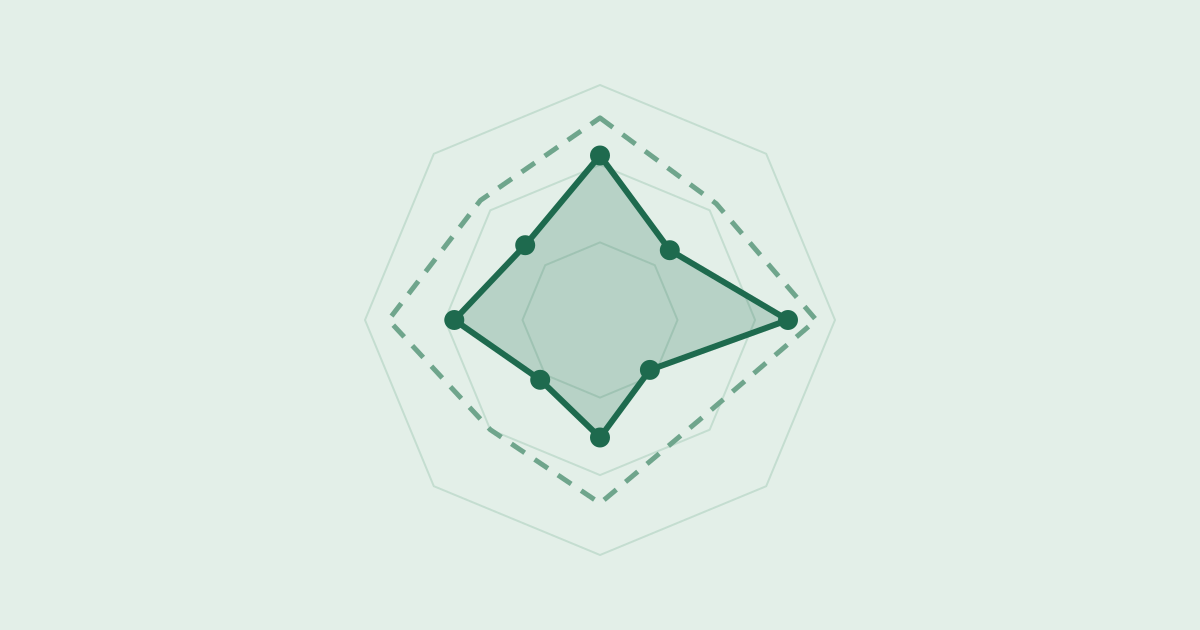
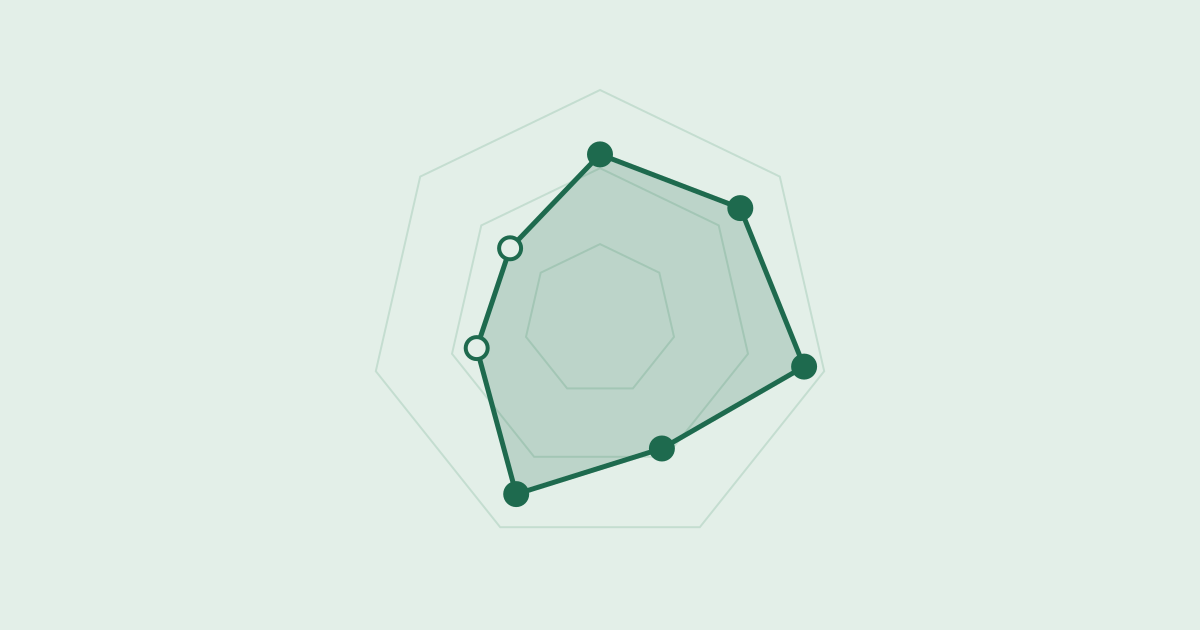
The Learn tab draws what we've measured as a spider chart, one axis per type of method. An axis stays a hollow point at the research default until its type has enough check-ins, so the chart fills in slowly, the way the evidence does.
The same check-ins set your pace: how many new concepts each day's lesson takes on. It starts at 5. It rises if you master concepts in fewer tries than usual and they stay. It falls if they don't stay, or if reviews pile up. We describe this as practice needed, never as "fast" or "slow": students differ mostly in what they already know, not in how fast they learn (Koedinger et al., 2023).
How this connects to our solution
- Belief 9: "Measure what works for each learner; never label them." This post is the long version of that belief.
- How it works, step 3: "Students get a Learn tab that adapts to what works for them." This is how the adapting works.
- In the product: Today's plan (check-in, reviews, today's lesson), the learning profile's spider chart, and the pace card.
- Call to action: See what we believe · Open Learn on any shelf