Testing yourself beats rereading, even though it feels worse
Rereading feels productive. The words look familiar, the page flows, and it seems like it's going in. Testing yourself feels worse: you get stuck, you get things wrong. Yet testing yourself is one of the most reliable ways to remember something next week.
The experiment
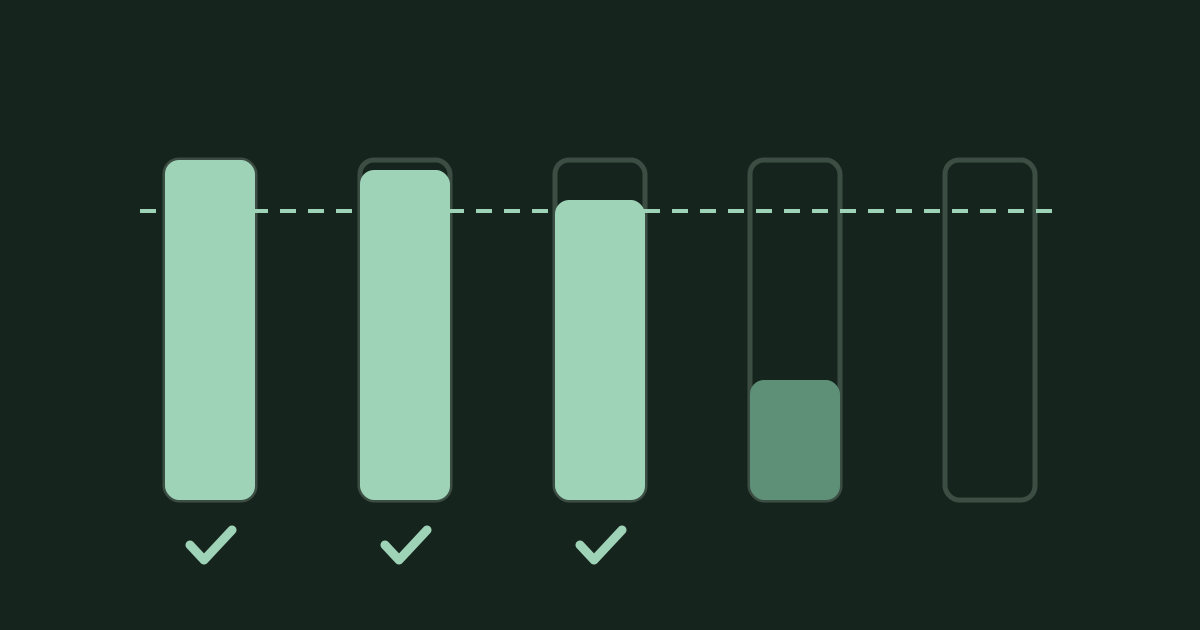
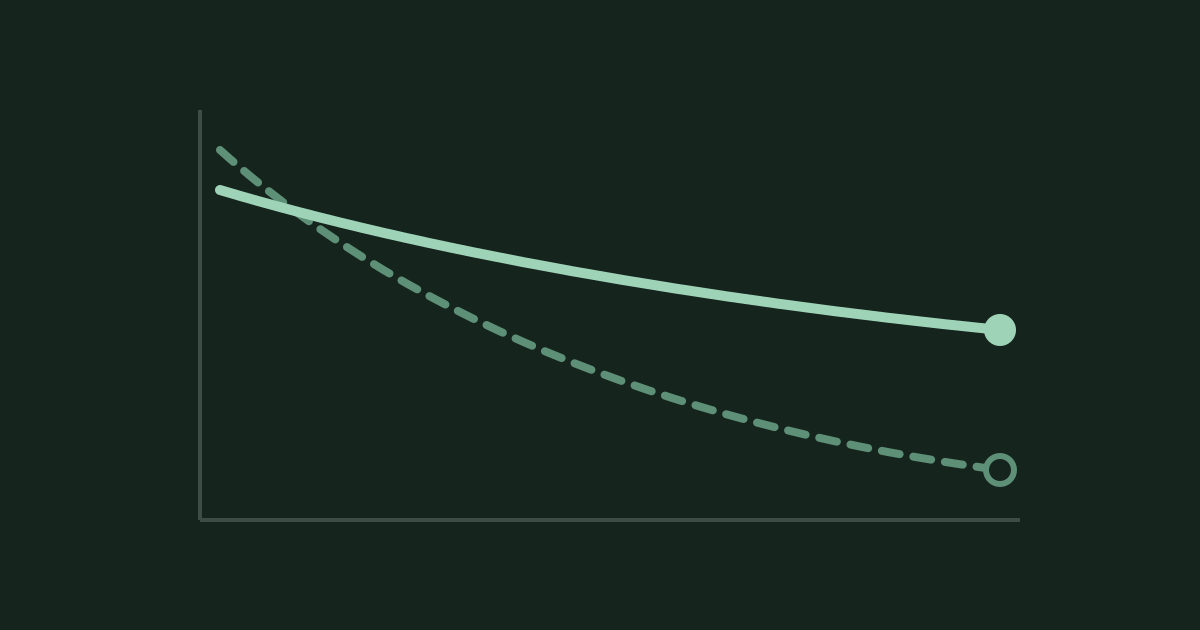
Students read short passages. Some reread them; others took a recall test instead, writing down what they remembered without looking. On a test five minutes later, rereading won, 81% to 75%. Two days later testing won, 68% to 54%, and after a week the gap held, 56% to 42% (Roediger & Karpicke, 2006).
The method that looked best in the moment was worse for what students actually kept.
Why it feels backwards
Familiarity isn't memory. Rereading makes material feel fluent, and fluency gets mistaken for knowing it. Students are poor judges of this. In a study on mixing up practice, 78% of people still believed the method that worked worse was as good or better (Kornell & Bjork, 2008).
A major review of ten study techniques rated practice testing high utility and rereading and highlighting low (Dunlosky et al., 2013). The US Institute of Education Sciences recommends quizzing as a way to learn, not just to grade (IES practice guide, 2007).
Making it work
- Recall before you check. Flip the flashcard only after you've tried.
- Low stakes. Practice quizzes are for learning, so they shouldn't count toward a grade.
- Feedback after. See the right answer once you've committed to yours.
- Come back later. One quiz helps; a few spread over days helps more.
How this connects to our solution
- Our solution, "Retrieval beats rereading": this post is the evidence behind that card.
- Belief 5: "Practice is for learning; tests are for checking."
- In the product: Flashcards and Quick recall, the Retrieve type in Learn. The daily check-in is retrieval too, which is why we also use it to measure what works.
- Call to action: See the research we build on