How far apart should reviews be?
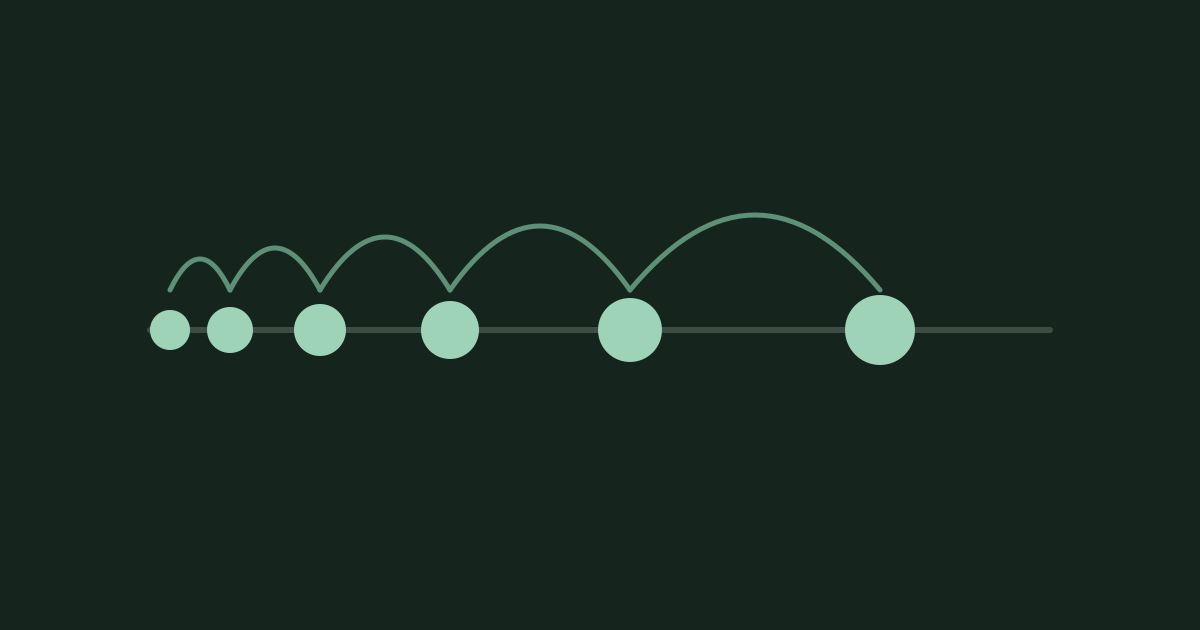
Everyone knows cramming is a bad idea. The harder question is how far apart reviews should be. The answer depends on when you need to remember it.
The ridgeline
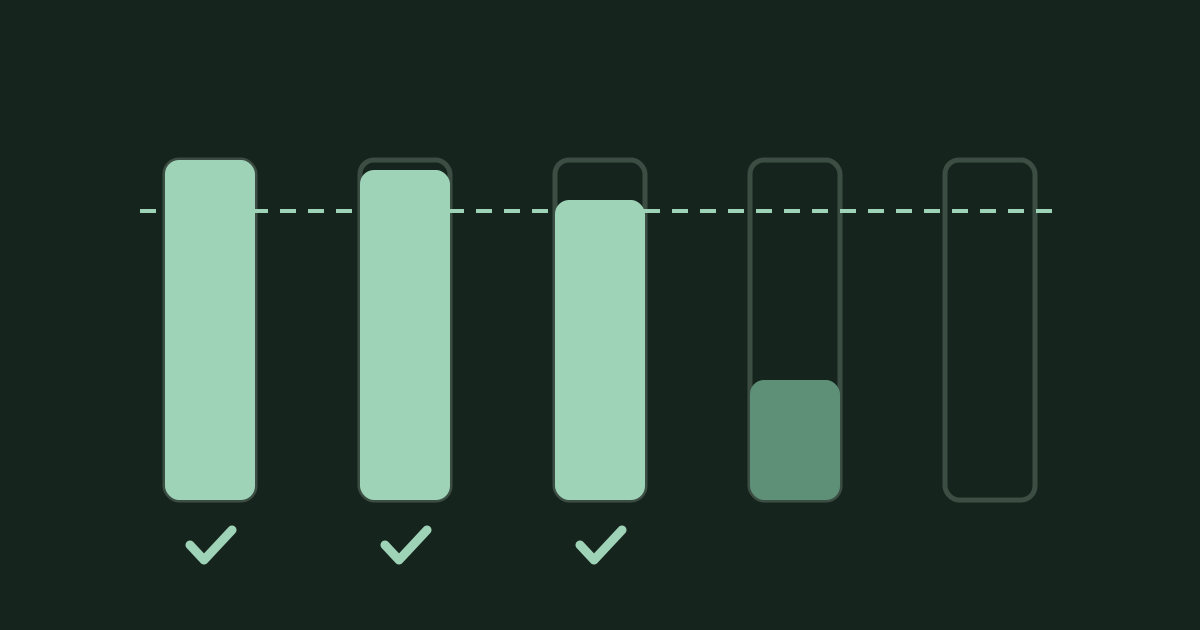
In a study of more than 1,350 people tested up to a year later, the best gap between study sessions grew with the time until the test. For a test one week away, the best gap was about 20–40% of that week. For a test a year away, it was about 5–10% of the year (Cepeda et al., 2008). Gaps that were too short wasted the review; gaps that were too long let the material fade first.
Spacing is one of only two study techniques a major review rated high utility (Dunlosky et al., 2013).
What this means in practice
- No test date: review just before you're likely to forget. Each successful recall pushes the next review further out, and a miss brings it closer.
- Test next week: review every couple of days.
- Test next term: reviews can sit weeks apart.
How Learn schedules reviews
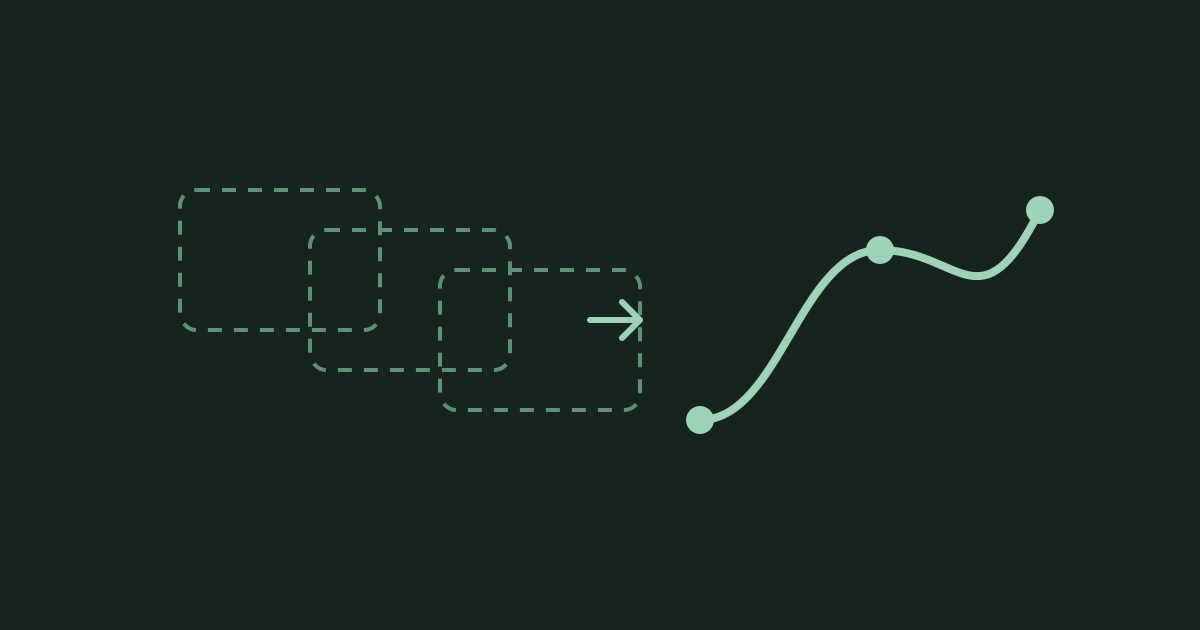
Learn schedules every concept with FSRS, an open spaced-repetition model that estimates how likely you are to recall each concept. It aims to show the concept again when that chance drops to about 90% (open-spaced-repetition). If a student adds a test date, reviews tighten to fit it: about 30% of the time left for a test within a week, 20% within a month, and 10% for anything further away.
The same spacing applies to every study tool, so when we compare methods, none of them gets an unfair head start.
How this connects to our solution
- Our solution, "Reviews spread over days": this post is the evidence behind that card.
- In the product: the Review part of Today's plan, and exam spacing when a test date is set.
- Call to action: See the research we build on